• Welcome to your new Gnomio site

    Now, you are in control!

    Moodle is an open-source Learning Management System (LMS) that provides educators with the tools and features to create and manage online courses. It allows educators to organize course materials, create quizzes and assignments, host discussion forums, and track student progress. Moodle is highly flexible and can be customized to meet the specific needs of different institutions and learning environments.

    Moodle supports both synchronous and asynchronous learning environments, enabling educators to host live webinars, video conferences, and chat sessions, as well as providing a variety of tools that support self-paced learning, including videos, interactive quizzes, and discussion forums. The platform also integrates with other tools and systems, such as Google Apps and plagiarism detection software, to provide a seamless learning experience.

    Moodle is widely used in educational institutions, including universities, K-12 schools, and corporate training programs. It is well-suited to online and blended learning environments and distance education programs. Additionally, Moodle's accessibility features make it a popular choice for learners with disabilities, ensuring that courses are inclusive and accessible to all learners.

    The Moodle community is an active group of users, developers, and educators who contribute to the platform's development and improvement. The community provides support, resources, and documentation for users, as well as a forum for sharing ideas and best practices. Moodle releases regular updates and improvements, ensuring that the platform remains up-to-date with the latest technologies and best practices.

    Links of interest:

    (You can edit or remove this text)

Available courses

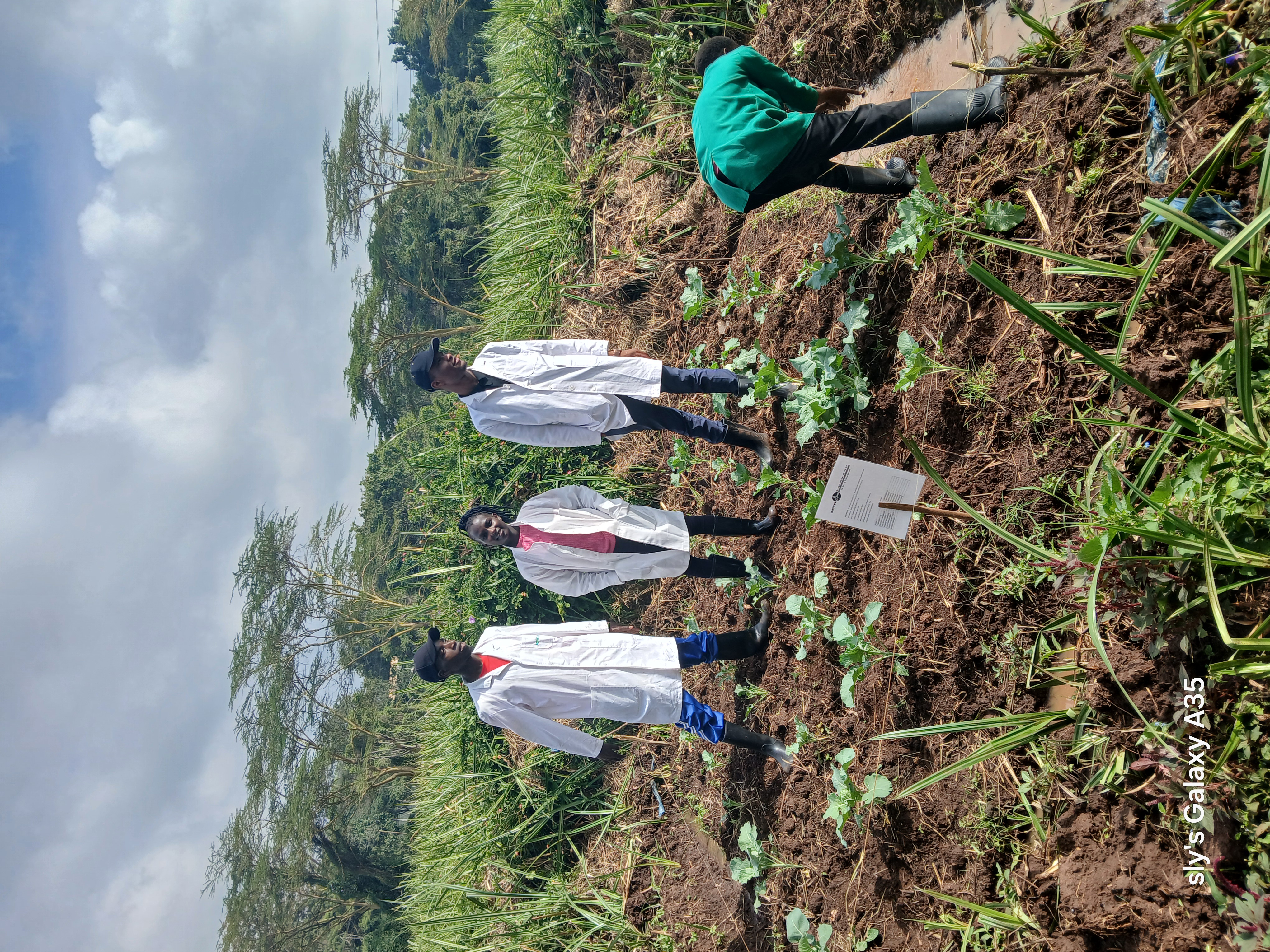
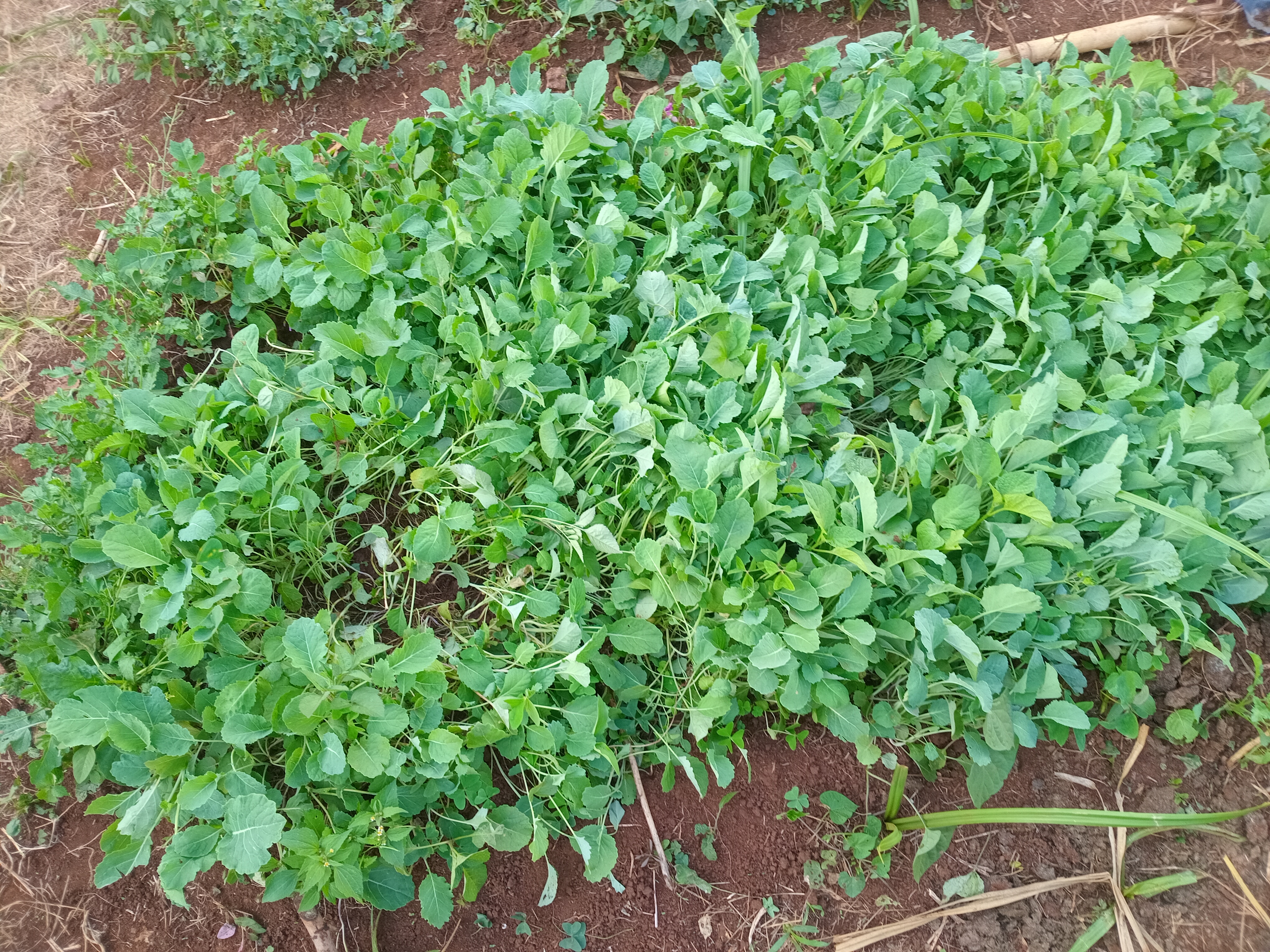
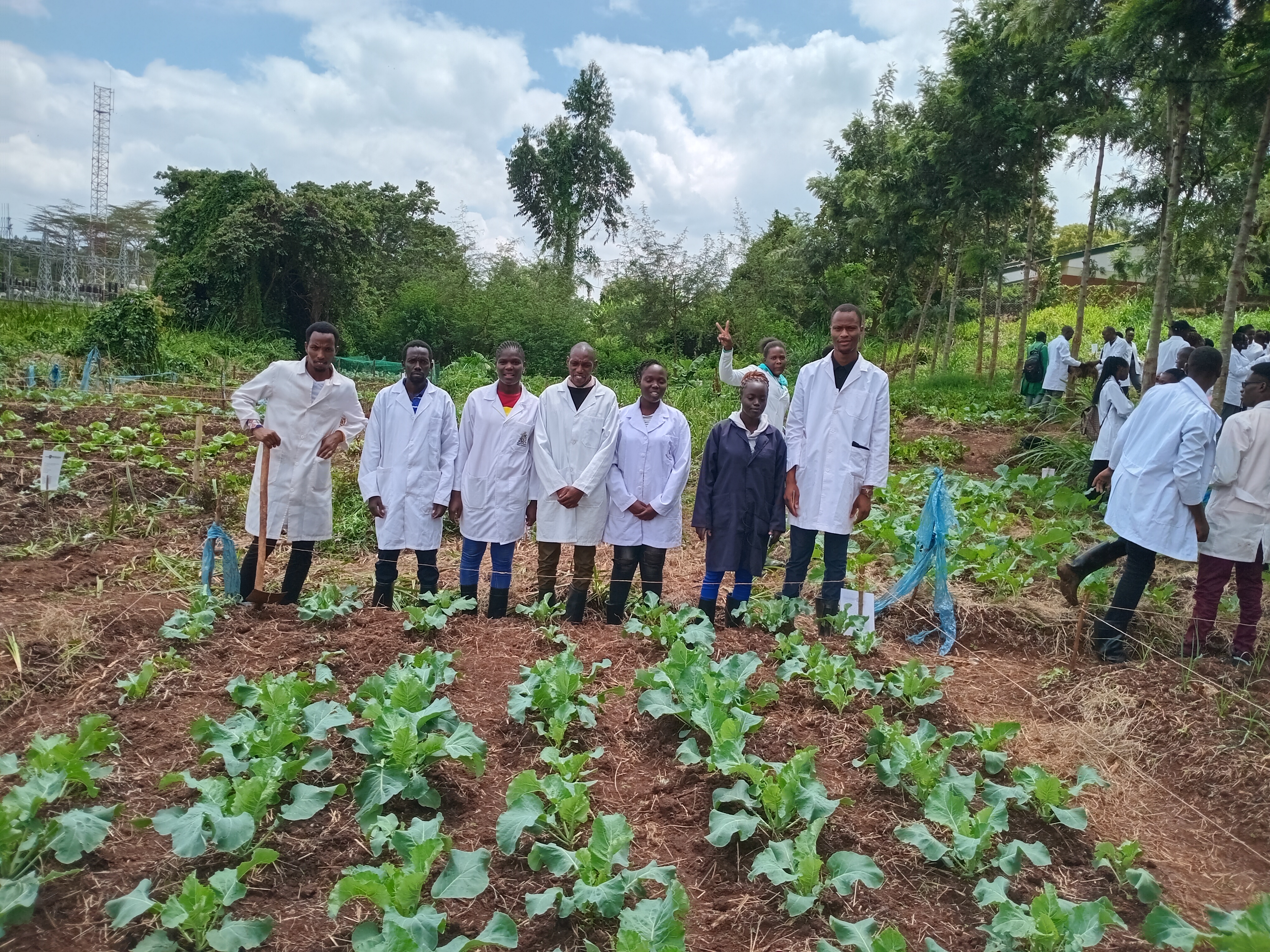
Crop production is a vital aspect of agriculture and food security, focusing on the cultivation of various plants for food, fiber, biofuel, and other uses. Below is an overview of the key components of crop production:

Key Components

  1. Types of Crops

    • Food Crops: Grains (rice, wheat, maize), vegetables, fruits.
    • Cash Crops: Cotton, tobacco, coffee, sugarcane.
    • Industrial Crops: Rubber, oilseeds (sunflower, soybean), biofuels.
  2. Soil Management

    • Soil Types: Understanding soil properties (texture, pH, fertility) is critical.
    • Fertilization: Using organic or synthetic fertilizers to enhance soil fertility.
    • Conservation Practices: Techniques like crop rotation and cover cropping to maintain soil health.
  3. Planting Techniques

    • Direct Seeding vs. Transplanting: Choosing methods based on crop types.
    • Spacing and Density: Optimizing plant arrangements for sunlight, nutrients, and water.
  4. Water Management

    • Irrigation: Systems such as drip or sprinkler irrigation to ensure adequate water supply.
    • Rainfed Agriculture: Relying on natural rainfall, requiring good water conservation practices.
  5. Pest and Disease Management

    • Integrated Pest Management (IPM): Combines biological, cultural, and chemical tactics.
    • Disease Identification: Knowing common diseases and implementing preventive measures.
  6. Harvesting and Post-Harvest Handling

    • Harvest Timing: Ensuring crops are harvested at the right time for maximum yield and quality.
    • Storage and Processing: Reducing losses through proper handling and storage techniques.
  7. Technological Advances

    • Genetic Engineering: Development of genetically modified organisms (GMOs) for higher yields and resistance.
    • Precision Agriculture: Utilizing technology (drones, sensors) for efficient crop management.

Importance of Crop Production

  • Food Security: Providing sufficient food to meet the needs of the growing population.
  • Economic Impact: Contributing to livelihoods and economies in many regions.
  • Biodiversity: Supporting a variety of ecosystems through diverse crop planting.

Conclusion

Understanding and improving crop production is essential for sustainable agriculture and addressing global food challenges. Innovations in practices and technologies will play a significant role in the future of crop production.